Posts

Showing posts with the label rocks and minerals

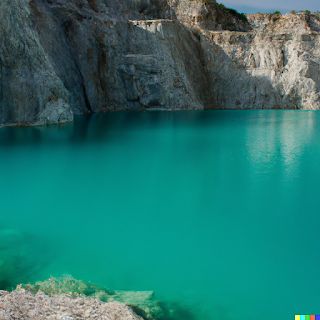
Turquoise color water
Image
Turquoise colored water in a limestone mine is often the result of a natural process that occurs when rainwater or surface water seeps through the limestone rocks and dissolves minerals, such as copper or iron, that are present in the rock. When these minerals are dissolved, they can create a chemical reaction that changes the color of the water, resulting in the turquoise color that is often seen in limestone mines. The exact shade of turquoise can vary depending on the specific minerals present in the limestone and the concentration of those minerals in the water. In some cases, the turquoise color can be quite vivid and striking, while in other cases it may be more muted or subtle. It's worth noting that while turquoise colored water can be visually stunning, it may also be an indication of potential environmental concerns. This is because certain minerals, such as copper or iron, can be harmful to aquatic life in high concentrations. As such, it's important to carefully mon...
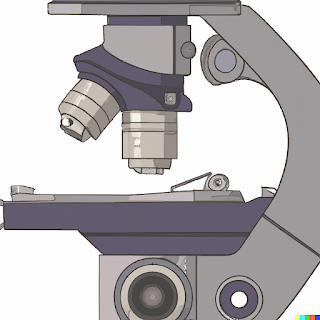
Using a petrological microscope

Image
  A petrological microscope is a type of microscope that is specifically designed for the study of rocks and minerals. It is used to examine the physical and chemical properties of rocks, minerals, and other geological specimens. The main components of a petrological microscope include a microscope body, an illumination system, and a variety of objectives and eyepieces. The microscope body holds the objectives and eyepieces and is designed to allow for precise control over the position and focus of the specimen. The illumination system typically consists of a light source and a series of mirrors and lenses that direct light onto the specimen. Petrological microscopes are equipped with a variety of objectives, including low- and high-power objectives, and specialized objectives for specific applications, such as polarizing, dark field, and differential interference contrast objectives. These objectives allow the user to view the specimen at different magnifications and under differe...